Water Quality and the Importance of Testing Your Water
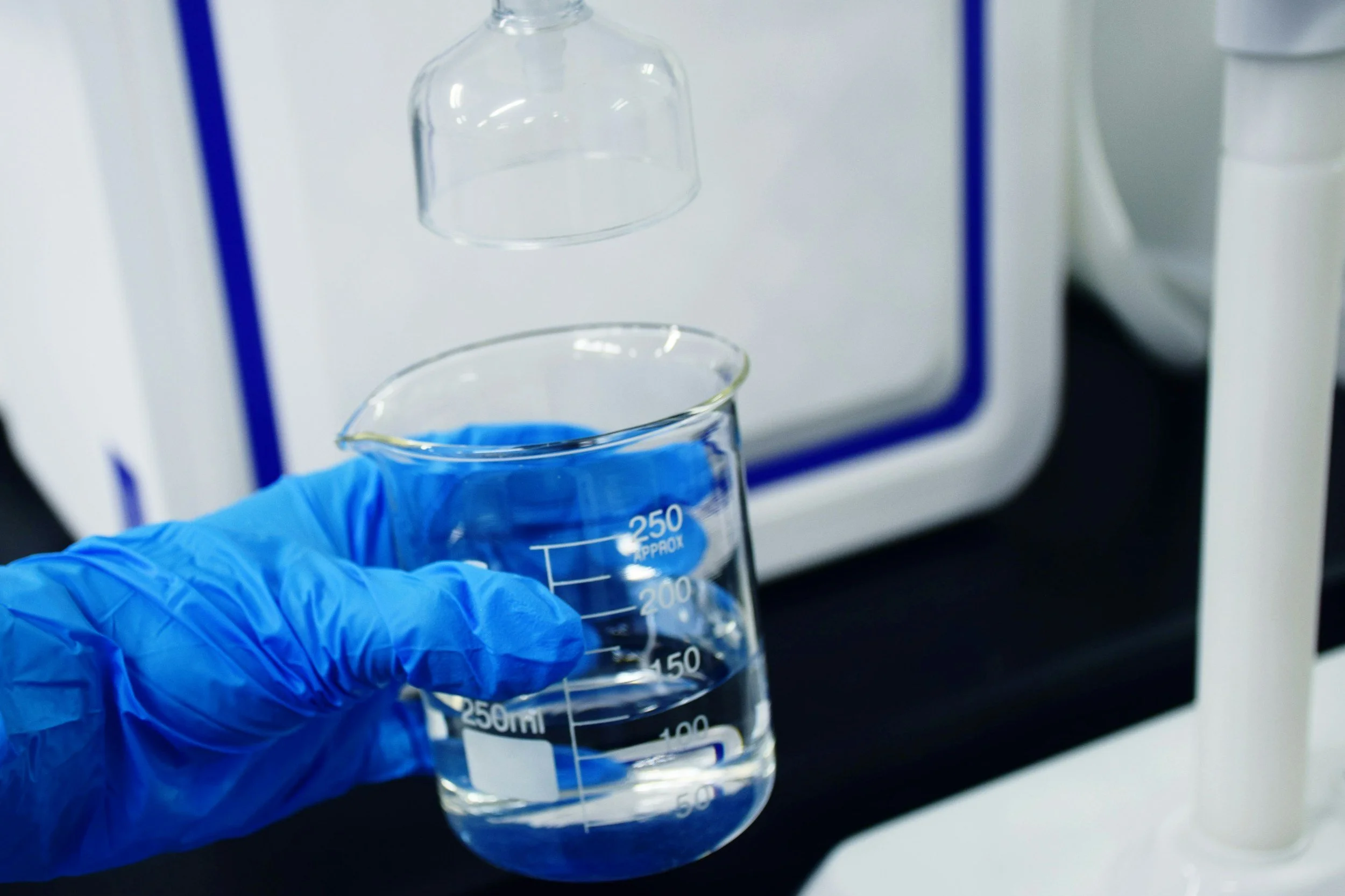
photo credit: RephiLe water on Unsplash
Why Water Quality Matters More Than Ever
Water is essential for life, yet the clarity and taste of water alone don’t ensure it’s safe. Contaminants—visible and invisible—can pose serious health threats. That's why understanding water quality and the importance of testing your water with professional lab services is no longer optional, but a necessity for households, institutions, and businesses.
Across the globe, water-related crises—from lead poisoning in Flint, Michigan to outbreaks caused by cryptosporidium—have taught us a crucial lesson: what you can’t see can hurt you. Whether you're drinking, cooking, or bathing in it, water quality directly influences your health, safety, and peace of mind.
What is Water Quality?
Water quality refers to the chemical, physical, and biological characteristics of water—particularly as it relates to its suitability for human consumption or industrial use. Clean water is defined not just by the absence of visible dirt but by its content of contaminants like bacteria, heavy metals, nitrates, pesticides, and more.
Key Water Quality Parameters Include:
pH Level: Indicates acidity or alkalinity
Turbidity: Cloudiness due to particles
Hardness: Calcium and magnesium levels
TDS (Total Dissolved Solids): Measures inorganic salts and small amounts of organic matter
Microbial Contaminants: Bacteria (Legionella), viruses, protozoa
Chemical Pollutants: Lead, arsenic, nitrates, chlorine
Why Water Testing is Crucial for Health
While water might look, smell, and even taste fine, contaminants like E. coli, lead, or arsenic can remain undetected until it’s too late. Regular testing with professional lab services ensures early detection of these invisible dangers.
Health risks from poor water quality include:
Gastrointestinal infections
Neurological damage (especially in children)
Hormonal imbalances
Reproductive issues
Long-term cancers due to exposure to heavy metals
Testing helps you stay ahead of problems—before symptoms emerge or health deteriorates.
Why testing your water is vital
Protecting health
Poor water quality can lead to serious health risks — infections, gastrointestinal illness, heavy metal poisoning, developmental effects in children, and longer-term chronic disease. Many harmful agents can lurk unseen. Professional lab tests catch these before harm occurs.
Even water from a supposedly safe municipal system or private well can change in quality over time due to pipe corrosion, infiltration, or environmental changes. Regular testing establishes a safety baseline and detects deviations.
Legal compliance and accountability
Institutions and businesses are often bound by regulatory standards (local, state, national) regarding water safety. For example, food service, healthcare, schools, and manufacturing may have mandated water quality parameters. Testing provides defensible evidence of compliance and helps avoid fines or liability.
Cost savings and infrastructure protection
Detecting corrosive water, excessive mineral content, or contaminants early allows timely mitigation (treatment, filtration, pipe repair) before damage escalates — saving costs on plumbing, machinery, or full system replacement.
Reputation, trust, and liability
Consumers, patients, students, and employees expect safe water. A water quality incident can harm reputation, invite legal action, or drive people away. Proactively testing with certified labs shows seriousness and builds confidence.
Planning and long-term monitoring
Water quality isn’t static. Seasonal shifts, rainfall, construction, floods, or upstream activities can alter water. Routine testing helps track trends and trigger preventive interventions.
Water testing in households
Tap water and private wells
If your home draws from a municipal supply, much of the heavy-lifting (treatment, monitoring) is done "upstream." But you still need to test for things introduced downstream — aging plumbing, lead leaching, local contamination.
If your water comes from a private well, the onus is entirely yours. No government body typically monitors private wells.
Common tests for households include:
Bacteria (total coliform, E. coli)
Nitrogen compounds (nitrate, nitrite)
pH, hardness
Metals (lead, arsenic, copper)
Total dissolved solids
If local risk exists: pesticides, VOCs, radon, etc.
A baseline test every year is often recommended; more often if any changes in taste, odor, color, or after storms or plumbing work.
Recognizing red flags
Sudden discoloration, cloudiness, odor, or taste
Health symptoms in family (stomach upset, recurring illness)
Staining on fixtures or laundry
Corroded pipes or fixtures
Changes after heavy rain or flooding
Benefits for families
Peace of mind that the water is safe
Early detection of subtle but harmful contaminants
Informed decisions on filters or treatment systems
Better protection for children, pregnant women, elderly
Water testing for institutions (schools, hospitals, government facilities)
Schools and daycare centers
Children are more vulnerable to contaminants (lower body weight, developing organs). Schools and childcare facilities often require stricter water standards for drinking fountains, sinks, kitchens, and sometimes bathroom water. Regular testing ensures that lead, microbial contamination, or chemical hazards don’t affect children.
Hospitals and clinics
Sterile water, safe for medical uses, is critical. Pathogen contamination, endotoxin levels, water for dialysis, sterilization, and cleaning must meet precise standards. A water-related lapse in a medical setting can have severe implications.
Government and public buildings
Public buildings (courthouses, libraries, municipal offices) have responsibilities to ensure safe water for the public and employees. Many jurisdictions require testing or certification to maintain public trust and legal compliance.
In these environments, there may be multiple water zones, different plumbing systems, and variable usage patterns — so site-specific testing and monitoring plans are needed.
Water testing for businesses (restaurants, manufacturing, hospitality)
Food service, restaurants, cafés
In food and beverage operations, water touches both human consumption and surfaces. Contaminated water can directly compromise food safety, cause illness outbreaks, and damage credibility. Businesses here must often comply with health department standards and safe water protocols.
Manufacturing and industrial operations
In many industries, water is used in processes (cooling, cleaning, chemical reactions). Impure water can corrode equipment, contaminate products, or reduce efficiency. Testing ensures process water meets required specifications.
Hospitality (hotels, resorts, spas)
Guests expect clean water in taps, showers, pools, spas, and food preparation. A water contamination issue (for example, Legionella, bacteria) can lead to lawsuits, negative reviews, and loss of business. Testing helps manage those risks.
Liability, insurance, and regulatory risk
A business water-borne illness outbreak or regulatory violation could lead to legal costs, reputational damage, and insurance issues. Demonstrable, periodic lab testing is a key risk mitigation measure.
Lab testing vs home/DIY testing kits
DIY kits (strips, test pens) offer convenience, speed, and low cost. But they lack sensitivity, accuracy, or the breadth of parameters measured. Lab testing—especially from accredited labs—delivers precise, low-detection-limit data across many contaminants, often with quality control, chain-of-custody, and formal reporting.
A home kit may flag anomalies, but it should never replace professional lab testing when health, liability, or regulatory compliance is at stake. AG Environmental Lab offers DIY Water Testing Kits that are then processed by our certified lab, which will give you the precise result you are looking for.
How professional lab testing works
Sample collection
You or a technician collects water using sterile containers, following lab protocols (pre-rinsing, avoiding contamination, storing cold, timely delivery).Preservation and transport
Some tests require cooling, chemical preservatives, or immediate processing to prevent changes in the sample.Analysis in the lab
Labs use instrumentation (mass spectrometry, ICP, chromatography, microbiological cultures, molecular assays) to detect and quantify contaminants.Quality control and accreditation
Accredited labs follow strict standards (e.g. NELAP, ISO/IEC 17025), use blanks, duplicates, spiked samples to ensure accuracy.Interpretation and reporting
You receive a detailed report, often including recommended actions, comparisons to regulatory limits, and explanation of findings.Follow-up or retesting
If results exceed safe thresholds, labs often recommend retesting or confirmatory testing.
Choosing the right lab service
When selecting a water testing lab:
Confirm accreditation or certification (ISO, NELAP, state environmental labs)
Ask for experience in residential/institutional/commercial water testing
Request turnaround times, cost per test, and capability to test for contaminants of local concern
Ensure they provide interpretation and consulting, not just raw data
Check chain-of-custody procedures, report formats, data transparency
Review references and reviews online or track record in your sector
Local health departments or environmental agencies often maintain lists of recommended labs.
What to do with lab test results
Compare measured values to regulatory limits or health standards
Classify whether the water is safe, marginal, or dangerous
Prioritize risks (e.g., microbial contamination is often most urgent)
Choose mitigation (filtration, disinfection, pipe replacement, treatment systems)
Monitor changes — retest after corrective action
Maintain a record over time to spot trends
Share results with stakeholders (residents, staff, users) where appropriate
When and how often to test
Households: annually for general parameters; more often if any red flags or after plumbing work/flooding
Institutions & businesses: per regulatory schedules (monthly, quarterly, annually) plus event-driven testing (construction, change of source, complaints)
After disruptions: floods, heavy rain, line repairs, power outages
Testing frequency should reflect risk.
Common myths and misunderstandings
“My water tastes fine, so it must be safe.” False — many contaminants lack taste or odor.
“Municipal water doesn’t need testing.” False — contamination may occur downstream (pipes, storage tanks).
“Only old or rural homes face water issues.” False — modern systems can still have corrosion, industrial run‑off, backflow.
“One test now is enough forever.” False — water quality can change over time.
Real-world stories that underscore the importance
In many U.S. households, lead has leached from old plumbing, causing elevated blood lead levels in children.
Schools have discovered high Legionella counts or microbial contamination, forcing expensive remediation or system shutdowns.
A business that ignored water quality issues had to close temporarily after customers fell ill and negative media spread.
These incidents highlight how invisible water risks can become visible crises.
Innovations and future trends
IoT-based smart water sensors can provide real-time monitoring of pH, turbidity, and conductivity, sending alerts when anomalies appear.
AI and data analytics are helping predict contamination events by correlating rainfall, land use, upstream activity data with water quality trends.
Cloud-based platforms let stakeholders view water quality dashboards in real time.
Community-based participatory testing (citizen science) is enabling more localized monitoring and awareness.
Challenges and limitations
Professional testing is costlier and slower than DIY kits.
Not every lab can test for every contaminant (some labs may lack specialty equipment).
Interpretation of results requires technical understanding — “safe limits” depend on local standards and context.
Infrastructure or external source pollution may persist, requiring systemic solutions beyond point-of-use filters.
Response time in emergencies may lag lab turnaround times.
Conclusion
Water, though invisible, carries stories of the land, pipes, and communities it courses through. Testing your water via professional lab services is not merely a precaution — it is an act of stewardship, protection, and responsibility. For households, it underpins health and peace of mind. For institutions, it safeguards vulnerable populations and ensures compliance. For businesses, it defends reputation, liability, and operational integrity.
If you haven’t tested your water lately — now is the time. Reach out to a certified lab, schedule a suite of relevant tests (based on your source and local risks), interpret results carefully, and take corrective steps when needed. Over time, building a history of water quality data empowers you to spot trends, preempt problems, and ensure that every drop flowing through your faucets is a drop you can trust.
Contact AG Environmental today for your consultation on all water testing needs!
FAQs
-
At minimum: total coliform / E. coli, nitrates/nitrites, pH, total dissolved solids (TDS), and heavy metals (at least lead and arsenic if regionally relevant). You can expand based on local risks.
-
Costs vary widely depending on the number of parameters tested, sample logistics, lab reputation, and geographic location. A full multi‑parameter panel might cost tens to a few hundred dollars. Basic bacterial tests are cheaper.
-
Yes, because contaminants can enter the water after the main treatment plant — via your plumbing, leaching pipes, or local incidents. Testing at the point of use is still prudent.
-
For microbial contamination (e.g. E. coli), stop drinking use immediately and use alternative safe water while identifying remedy (boiling, disinfection, or filtration). For chemical contaminants, consult experts and act quickly depending on toxicity and concentration.
-
Filters are good mitigation tools but should not replace lab testing. You’ll still need a lab test to know which contaminants are present, at what levels, and whether a given filter is sufficient.
-
Ask about accreditation, detection limits, what contaminants they test for, sample collection protocols, turnaround time, cost, whether they analyze trends, and interpretation support.